
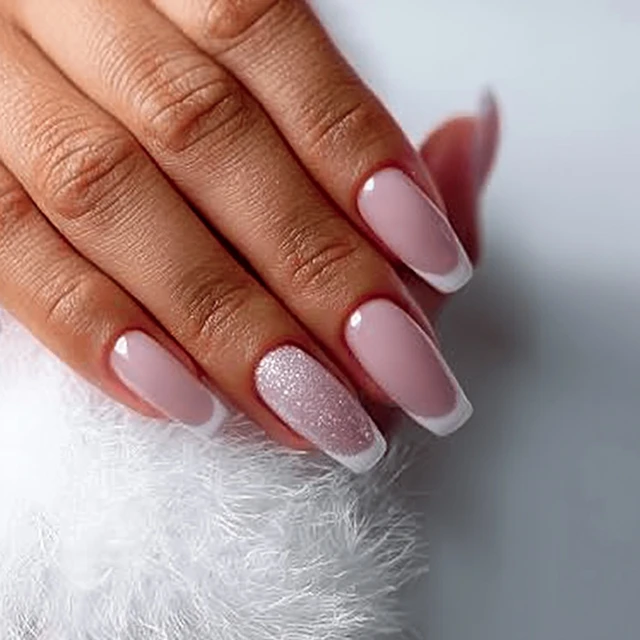
The first time I saw a glazed donut acrylic set, I stopped scrolling. That soft, milky base with a hint of pink and a glossy chrome finish—it looks like a fresh donut from a bakery case. The light catches it just right, and you get that subtle shimmer without being too loud. It’s the kind of set that works for any season, any occasion, and any nail length.

If you’re here because you want to book this exact look for your next nail appointment, you’re in the right place. I’ll walk you through what to ask for, the exact shades and finishes to request, and a few pro tips to make sure you leave the salon happy.
What Exactly Is a Glazed Donut Acrylic Set?
A glazed donut set combines a soft, translucent base with a sheer pink or white gradient and a chrome top coat. The result is a glossy, almost wet-looking finish that mirrors the sugary glaze on a donut. It’s not a solid color—it’s more of a sheer wash with depth. The key is the chrome powder applied over a no-wipe top coat, which gives that mirror-like shine.
The Shade That Makes It
The most important part is the base color. You want a milky white or a soft baby pink acrylic powder. I keep the ratio at 1 part clear acrylic to 2 parts colored powder for a translucent effect. Too much color, and it looks opaque—more like a solid pink than a glazed donut. Too little, and it’s just clear with a chrome finish. That sweet spot is a sheer, jelly-like appearance that lets the natural nail peek through.
Ask your nail tech for a custom mix: start with a clear acrylic base, then add a milky white to the nail bed and a soft pink to the tip. This creates a subtle gradient that mimics the donut’s edge. If your tech doesn’t offer custom mixing, request a sheer pink or white acrylic powder specifically labeled ‘jelly’ or ‘sheer.’
Booking the Appointment: What to Say
When you call to book, say: ‘I want a glazed donut acrylic set with a chrome finish.’ Most salons will know what you mean. But to be safe, bring a reference photo—one that shows the sheer base and the chrome shine. If your salon doesn’t carry chrome powders, ask if they can use a chrome top coat or a liquid chrome additive. Some techs use a chrome gel polish over the acrylic, which works just as well.
One common mistake is booking a ‘glazed donut’ but ending up with a solid white set. To avoid that, specify the translucent look. I always tell my clients to say, ‘I want it sheer, like a jelly, with a chrome finish.’ That clears up any confusion.
The Technique Behind the Glazed Effect
The chrome powder is the star here. After the acrylic is shaped and buffed smooth, your tech applies a no-wipe top coat and cures it under a UV lamp. Then, using a sponge applicator or a silicone tool, they gently pat the chrome powder onto the surface. The pressure is light—too much and you get streaks. The goal is an even, mirror-like layer that reflects light.
If you’re doing this at home, the same steps apply. Use a high-quality chrome powder and a soft applicator. I’ve found that a flat eyeshadow sponge works better than a brush because it distributes the powder evenly. After the chrome, seal it with another layer of no-wipe top coat and cure for 60 seconds. This locks in the shine and prevents the powder from rubbing off.
Pro Tip for a Non-Yellowing Finish
Yellowing is the biggest enemy of any light-colored acrylic set. To keep your glazed donut looking fresh, ask your tech to use a UV-protective top coat. I also recommend avoiding direct sunlight for the first 24 hours after application—the monomer needs that time to fully cure. If you’re a frequent pool-goer or use self-tanner, the chlorine and chemicals can cause discoloration. Wear gloves when handling harsh products.
For the best longevity, book your appointment every 2 to 3 weeks for fills. The chrome finish will stay shiny if you avoid acetone-based removers and stick to non-acetone polish removers for any touch-ups.
What to Expect During the Appointment
A full glazed donut acrylic set takes about 45 minutes to an hour. Your tech will start by prepping your nails—filing, shaping, and pushing back cuticles. Then they apply the acrylic in thin layers. The gradient part adds a few extra minutes because they have to blend the two colors. The chrome application is the quickest step, but it requires a steady hand.
If you have sensitive skin, let your tech know. Acrylic monomers can be strong, and some people react to the fumes. A well-ventilated room helps. And always ask for a patch test if you’re trying a new brand of acrylic or chrome powder.
Takeaway
A glazed donut acrylic set is a classic for a reason. It’s elegant, versatile, and surprisingly low-maintenance. The trick is in the sheer base and the chrome finish. Book your appointment with confidence, bring a reference photo, and ask for that translucent look. Your nails will look like they’re covered in a perfect layer of sugar glaze—without the calories.
Frequently Asked Questions
What is a glazed donut acrylic set?
A glazed donut acrylic set is a nail design that mimics the look of a glazed donut—a soft, milky base with a subtle pink or white gradient and a high-shine chrome finish that gives a ‘glazed’ effect.
How do I prevent yellowing in glazed donut acrylics?
To prevent yellowing, use a high-quality, non-yellowing clear acrylic powder and a UV-protective top coat. Avoid prolonged sun exposure and always cure under a proper UV/LED lamp for the recommended time.
Can I do a glazed donut set at home?
Yes, but it requires practice. You’ll need acrylic powders, monomer, a brush, chrome powder, and a UV lamp. Follow the step-by-step instructions carefully, and consider booking a professional for the first time to learn the technique.
How long does a glazed donut acrylic set last?
With proper application and care, a glazed donut acrylic set can last 2-3 weeks. Avoid harsh chemicals and wear gloves for chores to extend the life.