
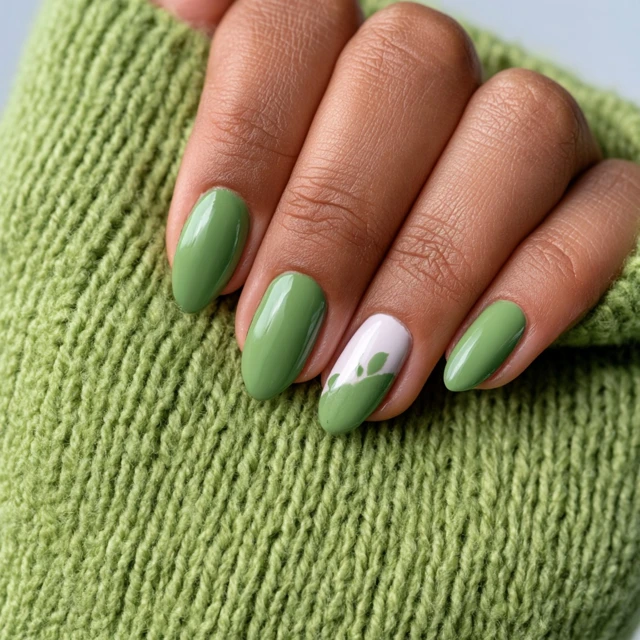
The first light filters through the pines, catching the edge of a cast iron skillet. Inside, a swirl of pale gold and flecks of deep green — like the forest floor after a spring rain. This isn’t nail art, but the color combination is just as arresting: sage and gold. And you can have it on your plate at camp in under twenty minutes.

Why This Combo Works at Camp
Sage brings an earthy, almost peppery note that cuts through the richness of eggs. Turmeric lends a warm golden hue and a subtle, peppery depth. Together, they mimic the fresh-green-and-sunlight palette of early spring. But more importantly, both spices are shelf-stable, lightweight, and won’t weigh down your pack. The technique here is about layering flavor without adding perishable ingredients.
The Exact Ratio for Balance
I keep the ratio at 1 part fresh sage to 2 parts turmeric by volume — that’s 1 tablespoon chopped sage to 1/2 teaspoon turmeric for 8 eggs. This ensures the sage doesn’t overwhelm the dish, while the turmeric provides color without bitterness. If you use dried sage, cut it to 1 teaspoon. Too much turmeric can make the eggs taste chalky; too much sage turns them medicinal. Measure precisely.
Prep at Home, Cook at Camp
Whisk the eggs with salt, pepper, sage, and turmeric in a leak-proof container. Seal it tight and nestle it in the cooler between ice packs. This mixture will hold for up to 24 hours below 40°F. Do not add the feta or butter until cooking — dairy softens and can separate if stored mixed with eggs.
The Skillet Technique
Heat a 10-inch cast iron skillet over medium heat on your camp stove or grill grate. Add 2 tablespoons olive oil and let it shimmer — about 30 seconds. Pour in the egg mixture. Here’s the common mistake: stirring too soon. Let the eggs set for 45 seconds without touching them. Then use a heat-resistant spatula to gently push the cooked edges toward the center. Tilt the pan so the liquid egg flows to the edges. Repeat every 30 seconds for 3-4 minutes. The eggs should be mostly set but still glossy and soft.
Remove the skillet from heat immediately. Stir in 1 tablespoon butter or ghee until melted. The residual heat will finish cooking the eggs to a creamy, custard-like texture — no scorching, no dryness. This is the same method used for French-style scrambled eggs, adapted for a camp stove.
Campfire Adaptation
If cooking over a campfire, use a grate set 4-6 inches above medium-hot coals. The heat is less even, so stir more frequently — every 20 seconds — and lift the skillet off the fire briefly if the eggs start to brown. A spray bottle of water nearby can tame flare-ups.
No-Fire Variation
For a no-fire option, cook the scramble in a non-stick skillet over a camp stove at low heat, stirring constantly, until just set — about 5 minutes. The texture will be softer, more like a custard. Serve immediately, as it won’t hold heat long.
Food Safety on the Trail
Keep the egg mixture cold in the cooler until you’re ready to cook. If the cooler temp rises above 40°F, discard the eggs. Cooked eggs should not sit out longer than 2 hours (1 hour if the air temp is above 90°F). Pack a small thermometer to check. For dairy-free, skip the feta and use olive oil instead of butter. For vegan, substitute 1 block (14 oz) extra-firm tofu, crumbled, and cook with the spices in 1 tablespoon oil for 8-10 minutes until heated through.
Final Takeaway
The Spring Sage & Gold Nails color combo isn’t just for your fingertips — it’s a camp breakfast that delivers visual pop and real flavor. With the right ratio, a patient skillet hand, and smart make-ahead prep, you get a meal that looks as good as it tastes. No screenshots needed, just a fork.
Frequently Asked Questions
Can I use dried sage instead of fresh?
Yes. Use 1 teaspoon dried sage for the 1 tablespoon fresh. Dried sage is more concentrated, so reduce the amount. Add it to the egg mixture at home to allow the flavor to bloom.
How do I keep the scramble from sticking to the skillet?
Use a well-seasoned cast iron skillet or a non-stick pan. Heat the oil until shimmering before adding the eggs. Let the eggs set slightly before stirring, and use enough fat — the 2 tablespoons olive oil plus the butter finish help prevent sticking.
Is this scramble safe to eat if I have a gluten allergy?
Yes, this recipe is naturally gluten-free as written. Just ensure your spices and feta are certified gluten-free if you have celiac or severe sensitivity. For any dietary concerns, consult a qualified professional.