
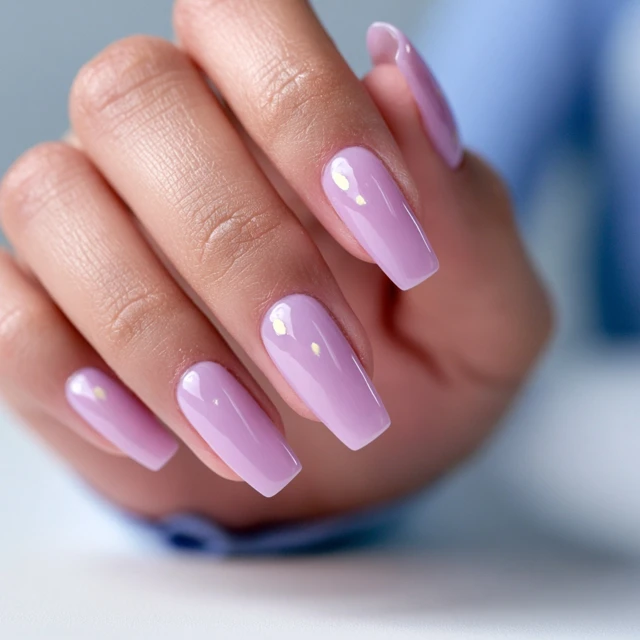
The first time I saw spring floral coffin nails popping up in my feed, I was elbow-deep in a bag of charcoal, trying to get the coals just right for a campfire dinner. There is something about that contrast—delicate petals on sharp, tapered nails and the rough, smoky work of cooking over fire—that feels exactly like spring camping. You want your food to match that energy: fresh, bright, and a little bit wild.

Why This One-Pan Dinner Works with Your Spring Nail Aesthetic
Spring floral coffin nails are all about balance: soft florals on a structured shape. This lemon herb chicken with spring vegetables does the same thing. The lemon and herbs give a floral lift—think thyme and rosemary instead of roses—while the cast iron skillet gives you that grounded, smoky finish. It is a dinner that looks as intentional as your manicure, without requiring a lot of fuss.
The Ratio That Matters
I keep the ratio of lemon juice to olive oil at 1:2—one part lemon, two parts oil. That keeps the acid bright but not overwhelming, and the oil helps the herbs bloom over the heat. Too much lemon and the chicken turns tough. Too little and the vegetables steam instead of char. That 1:2 is the sweet spot for a spring-forward dish that still feels like camp food.
Technique: Building Layers of Flavor Over Fire
Start by getting your cast iron skillet hot. A cold skillet will stick the chicken and steam the vegetables. You want a sizzle when the chicken hits the pan. I use a 12-inch skillet because it gives enough room for the chicken to brown without crowding—crowding drops the temperature and you lose the sear.
Cook the chicken first, undisturbed, for a full 5-6 minutes. That is the key to golden-brown skin that releases easily. If you try to flip too soon, the skin tears. You will see the edges start to lift on their own when it is ready. Flip once, cook another 4 minutes, then push the chicken to the side.
The vegetables go into the empty space. Do not pile them on top of the chicken—they need direct contact with the hot skillet to get those charred spots. Zucchini and bell peppers take about 4-5 minutes over medium-high heat. Cherry tomatoes go in whole; they will burst and release their juices, creating a light sauce that coats everything.
Common Mistake to Avoid
Do not add the vegetables too early. If you throw them in with the raw chicken, they release water and steam the meat instead of browning it. The chicken ends up pale and the vegetables turn mushy. Let the chicken get a head start, then add the vegetables. That staggered timing gives you both a good sear and tender-crisp veggies.
Adapting for Camp Stove, Grill, or Campfire
On a camp stove, medium-high heat works perfectly. Keep the skillet uncovered for the first part, then cover loosely with foil for the last 8-10 minutes to finish cooking the chicken through without drying it out.
On a grill, set it up for direct medium heat (about 375-400°F). Place the skillet directly on the grates. The grill adds a subtle smokiness that plays well with the lemon and herbs. Check the chicken temperature with an instant-read thermometer—165°F at the thickest part.
For a campfire, rake a bed of medium-hot coals to one side. Set the skillet on the coals. Because campfire heat is less even, rotate the skillet every 5 minutes to avoid hot spots. Expect to add 3-5 minutes to the total cooking time. Use heat-resistant gloves to handle the skillet handle—it will be hot enough to burn through a towel.
Serving and Styling for Your Feed
Serve directly from the skillet. The cast iron keeps everything warm, and the colors—golden chicken, green zucchini, red peppers, bright tomatoes—pop against the black iron. Sprinkle fresh parsley over the top right before serving. That green against the warm tones mirrors the floral detail on your nails.
If you want to lean into the spring theme, set the skillet on a wooden board or a clean bandana. Add a small jar of wildflowers if you have them. The contrast between the rugged skillet and the delicate flowers is exactly the same energy as spring floral coffin nails: structured, fresh, and a little bit unexpected.
Takeaway
Spring floral coffin nails are about celebrating the season with intention. This one-pan lemon herb chicken dinner does the same. The technique is simple—brown the chicken first, add vegetables later, keep the lemon-to-oil ratio at 1:2—and the result is a meal that feels as bright and fresh as your manicure looks. No complicated steps, no fancy equipment. Just good food cooked over fire, served with style.
Frequently Asked Questions
What are spring floral coffin nails?
Spring floral coffin nails are a nail art trend where the nail shape is tapered and squared like a coffin, decorated with floral patterns in pastel or bright spring colors. They are popular for their elegant, elongating effect and seasonal appeal.
Can I make this recipe vegetarian?
Yes. Omit the chicken and increase the vegetables—add asparagus, snap peas, or artichoke hearts. Cook the vegetables for 10-12 minutes total, stirring occasionally, until tender and lightly charred.
How do I adjust cooking time for a campfire vs. camp stove?
For a campfire, use medium-hot coals (not flames) and expect slightly longer cooking—add 3-5 minutes per step. For a camp stove, medium-high heat works best; stick to the times listed. Always check chicken internal temperature with a thermometer.